Is your startup’s lack of capital slowing down your company’s development? Find out here how you can approach the search for investors strategically and put your startup in the perfect financial position.
Table of contents:
- Find investors
- Financing options for startups
- With venture capital to an established business
- Important factors when looking for investors
The most important answers when looking for investors:
Does my startup have to already be established on the market so that I can attract investors?
No, a startup does not have to have a product on the market yet. At every stage of development it can receive financial support from external investors. From incubator programs to venture capital, there are many different options.
How do I make initial contact with potential investors?
Many business angels and venture capital companies organize themselves in regional get-togethers or are regularly active at networking events and conferences. This offers information and mediation Business Angels Network Germany eV Another method to convince investors is to participate in events like Bits & Pretzels . Here you can pitch your business idea to potential shareholders.
How do I approach the search for investors strategically?
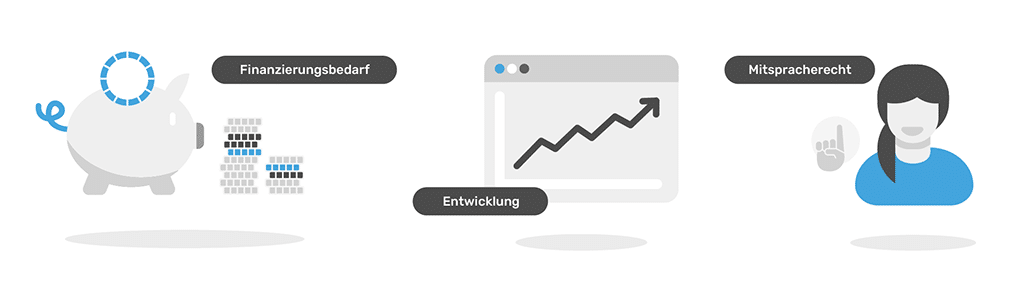
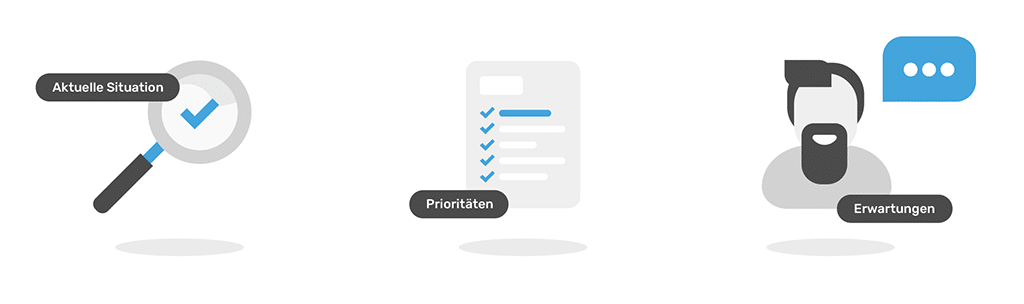
You will save time and energy in the long run if you think carefully about the needs of your startup and the expectations of your investor in advance. Determine the following in advance:
- Financing needs
- Company goals
- Right to have a say
- form of investment
- Criteria for selecting the investor
- Expectations of the investor
You actually want to focus fully on developing your product and building your company. Instead, you have to keep grappling with the question of money. Do you recognize yourself here? Then raising external capital may be right for your startup
Financing options for startups in early development phases
If your startup is still in its early stages, for example because it has just been founded, you may need less capital. Instead, you may want an extra dose of advice from an investor with the appropriate know-how.
Get started with the help of a business angel
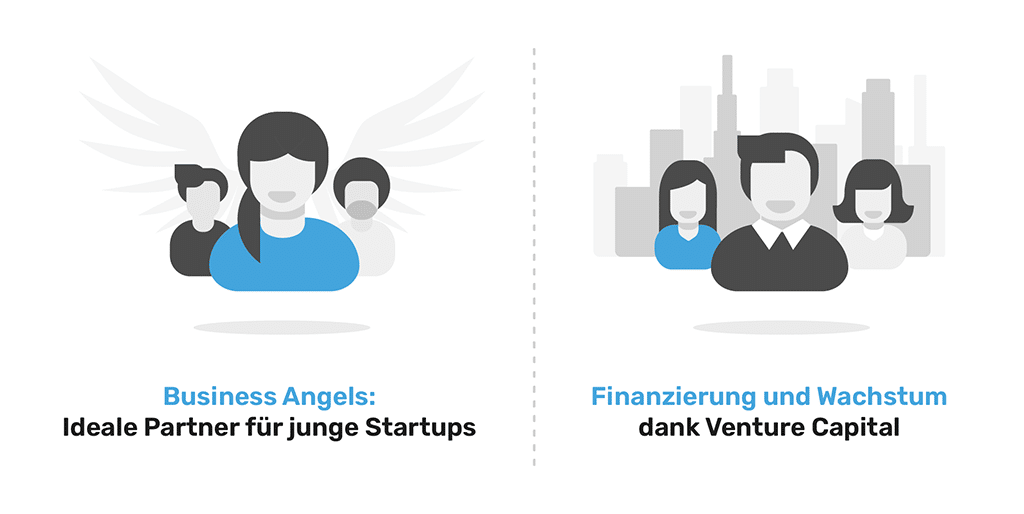
Angel investors are particularly suitable here. These are private individuals who invest their own assets in startups and have a valuable network and experience in the business world. Financing here is usually only done on a smaller scale. Angel investors are often happy to provide advice and support. You can make initial contact with business angels, for example, through regional networks, appropriate conferences and regular meetings. The Business Angels Network Germany eV is the first point of contact for many founders in this case. In addition to placement opportunities, the association also offers a Event calendar , where you can search for events throughout Germany.
Alternative programs
If you are looking for a different balance between capital and advice, you may find what you are looking for among incubators and accelerators. Incubator programs start particularly early in company development and offer support with concepts and planning. They are particularly supported by universities and public institutions. Accelerator programs provide start-up funding for startups that are already doing well.
With venture capital providers to an established business
You are more likely to be able to obtain larger sums of money as venture capital. Here the financing is provided by a company, which in turn manages and uses the capital of its investors. This means they pursue different interests than a business angel and are particularly focused on scaling and growth.
Secure venture capital for the startup
If you want to win over a venture capital company, do your research beforehand: Does it generally invest in startups? Which industry is preferred? What stage of development are startups usually in when the company invests in them? There are many opportunities for well-prepared founders to get to know venture capital providers in addition to business angels. At the Founders Festival Bits & Pretzels 5,000 founders and investors come together in Munich every year. At events like the Karlsruher Venture Day Selected startups from specific industries present their ideas to suitable venture capital companies.
What questions you should ask yourself when looking for investors
If you want to approach the search for investors for your startup strategically, it is worthwhile to first consider a few key questions. In this way, you not only determine your actual needs and preferences, but also focus on the most promising candidates - because quality trumps quantity.
1. How much financing do you need?
A detailed financial plan is always a good idea. However, you should take a closer look at the numbers at the latest when it comes to raising investor money. This is the only way you can clearly process both one-off smaller and larger costs as well as ongoing fixed costs such as salaries and office rent. You also need projections for the next phase of development. Don’t forget to add some buffer to these projections - something unforeseen can always happen.
2. In which direction should your startup develop?
Define clear company goals and determine how the support from potential investors should advance your startup. At the same time, you concretize the roadmap for the next phase and set priorities – for your startup and your investor.
3. How much say are you willing to give up in the investment?
Financing startups involves a lot of risk for investors - you may lose significant amounts of money if your company fails. In return for this willingness to take risks, investors often demand a certain degree of say. Think about how far you want to go here. Because when it comes to negotiating, you should know your position exactly!
4. Which form of investment best suits the current situation of your startup?
Don’t make the decision between business angel and venture capital solely dependent on capital strength. It is better to carefully consider whether you prefer an angel investor with his know-how and practical support or whether you would like to rely on venture capital, which is perhaps more impersonal.
5. What criteria are most important to you when selecting an investor?
When it comes to compiling a list of potentially interesting investors, it helps to have a clear idea of the qualities of the ideal candidate. Are you looking for an investor who is particularly specialized in your industry? Or would you like to benefit from his well-maintained network?
6. What do you expect from your future investor?
Finally, it is important that you formulate clear guidelines for your desired collaboration with a future investor. For example, ask yourself how communication should take place and how much or little pressure you prefer regarding company growth. This information will help you to present your wishes in a well-thought-out manner during the interview.
Also important for investors: orderly accounting
To show investors that your startup is already professionally positioned, your finance department should be in top order! To ensure this, you should use Get My Invoices right from the start. The software helps you assign all documents from email inboxes, accounts, etc. to the correct bookings - and it’s even fully automated!